

I've spent the last decade leading web, SEO, and digital growth for B2B technology companies. I've rebuilt websites, migrated platforms, grown organic visibility, launched demand generation programs, and managed agencies and developers. I'm also comfortable jumping into the work myself when that's the fastest way to get something done.
Search has changed quite a bit along the way. I've been applying the same technical SEO and content architecture background to AEO and AI search by investigating what makes brands discoverable, understandable, and worth citing as the way people search continues to evolve.
I care about the metrics that connect marketing to growth.
Whether I'm working on SEO, web, paid media, ABM, content, or conversion optimization, traffic and rankings are only part of the story. I care about what happens next: Are the right people finding us? Are they converting? Are we generating qualified leads? Is marketing influencing pipeline? That's ultimately how I decide whether the work is working.
I'm strategic, but I'm also very hands-on.
I've never been someone who creates a roadmap and hands it off. I'll build the strategy, get Product Marketing, Design, Engineering, Sales, and leadership aligned around it, and then stay close to the execution.That might mean directing an agency or developer. It might also mean building a page in Webflow, auditing a site, mapping redirects, fixing metadata, digging through GA4, reviewing campaign performance, or figuring out why something isn't converting.
I like owning the outcome, not just my piece of it.
My early CRO and SEO work on primepay.com drove a 119% year-over-year increase in organic MQLs. After an acquisition, I led the consolidation of two enterprise websites (HubSpot and WordPress) into one brand and one Webflow site, and absorbed nearly triple the original scope without moving the launch date.
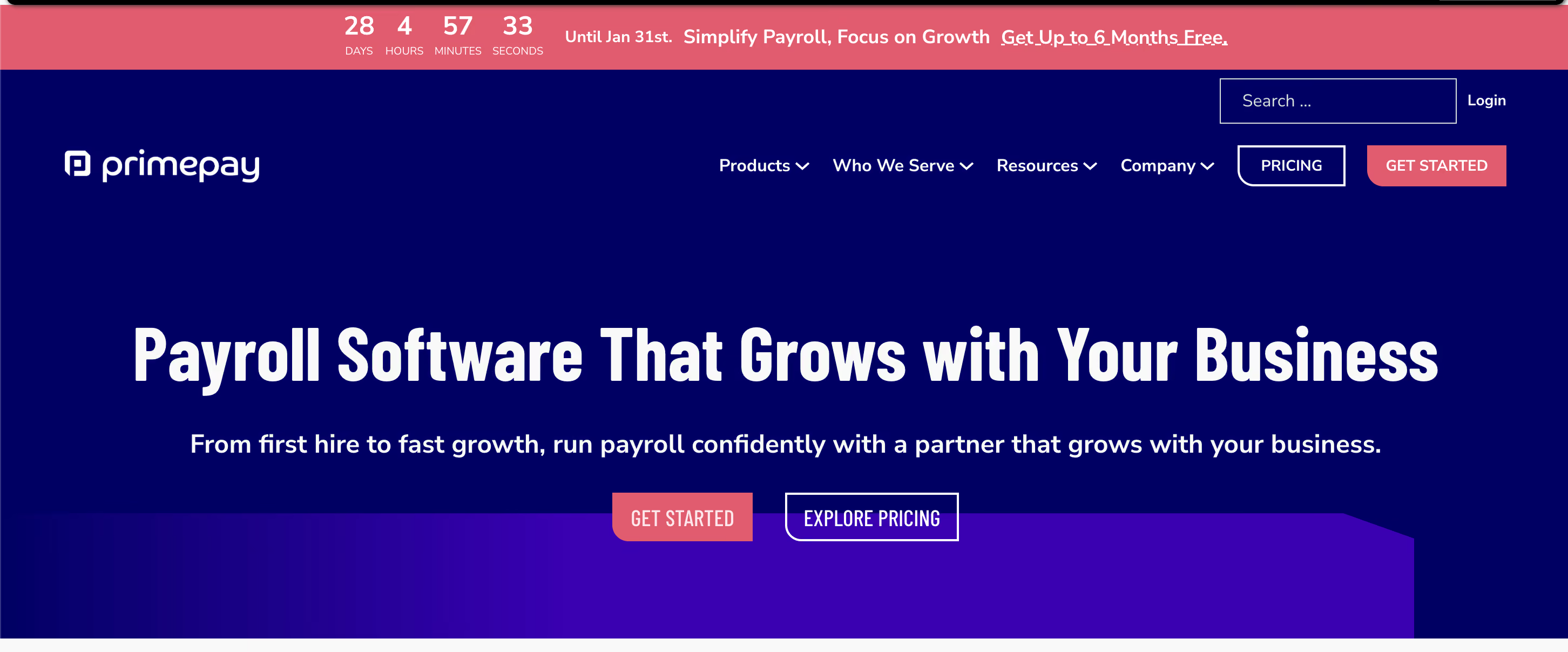
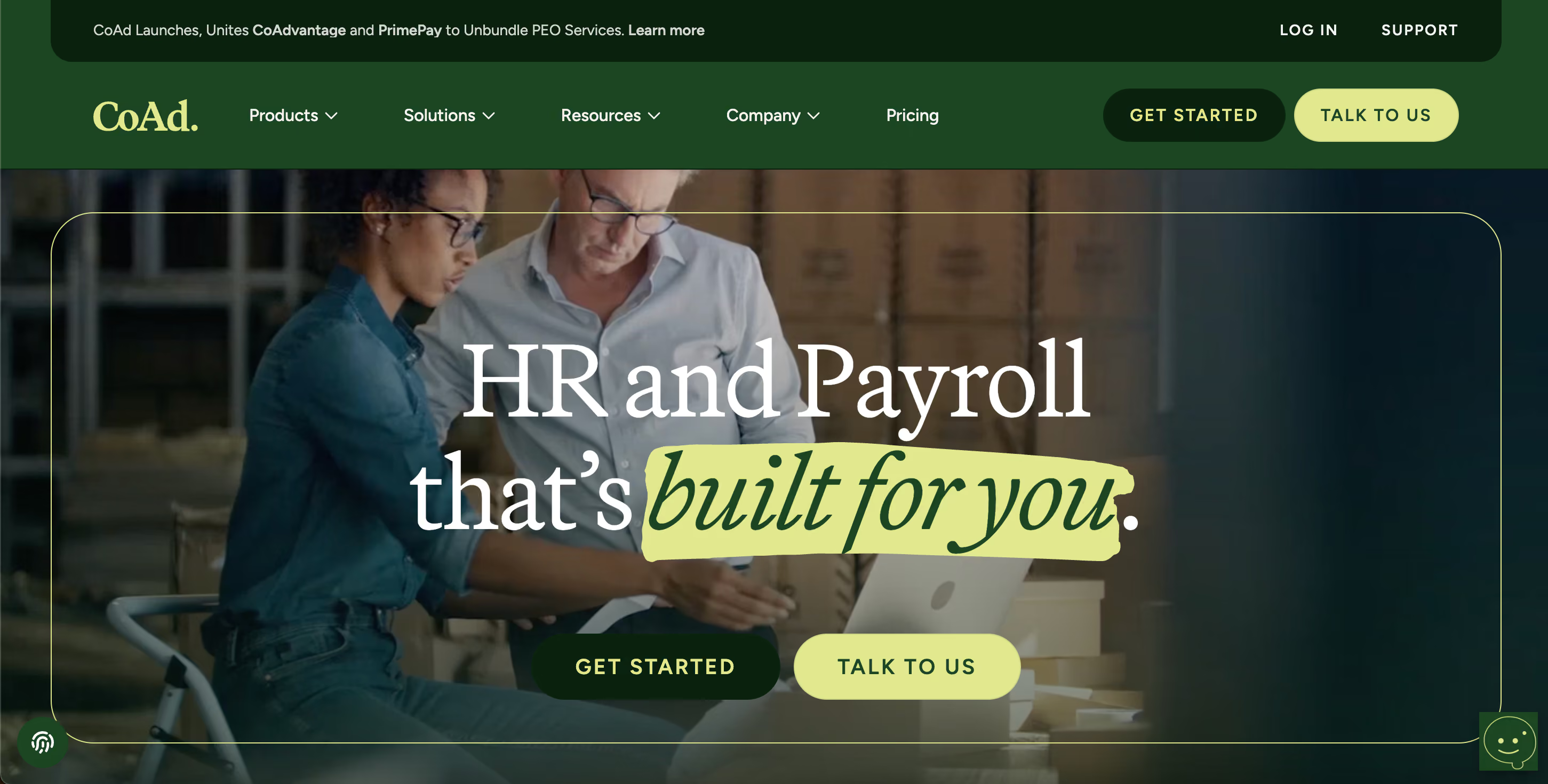
Result: A complete rebrand and rebuild, from wireframes to a live Webflow site with 80+ new pages, shipped in under two months with a single developer.
I connected web, SEO, content, paid media, ABM and measurement across a global technology company's product lines, then lifted conversion with audience personalization, a rebuilt demo experience, social proof, and faster pages.
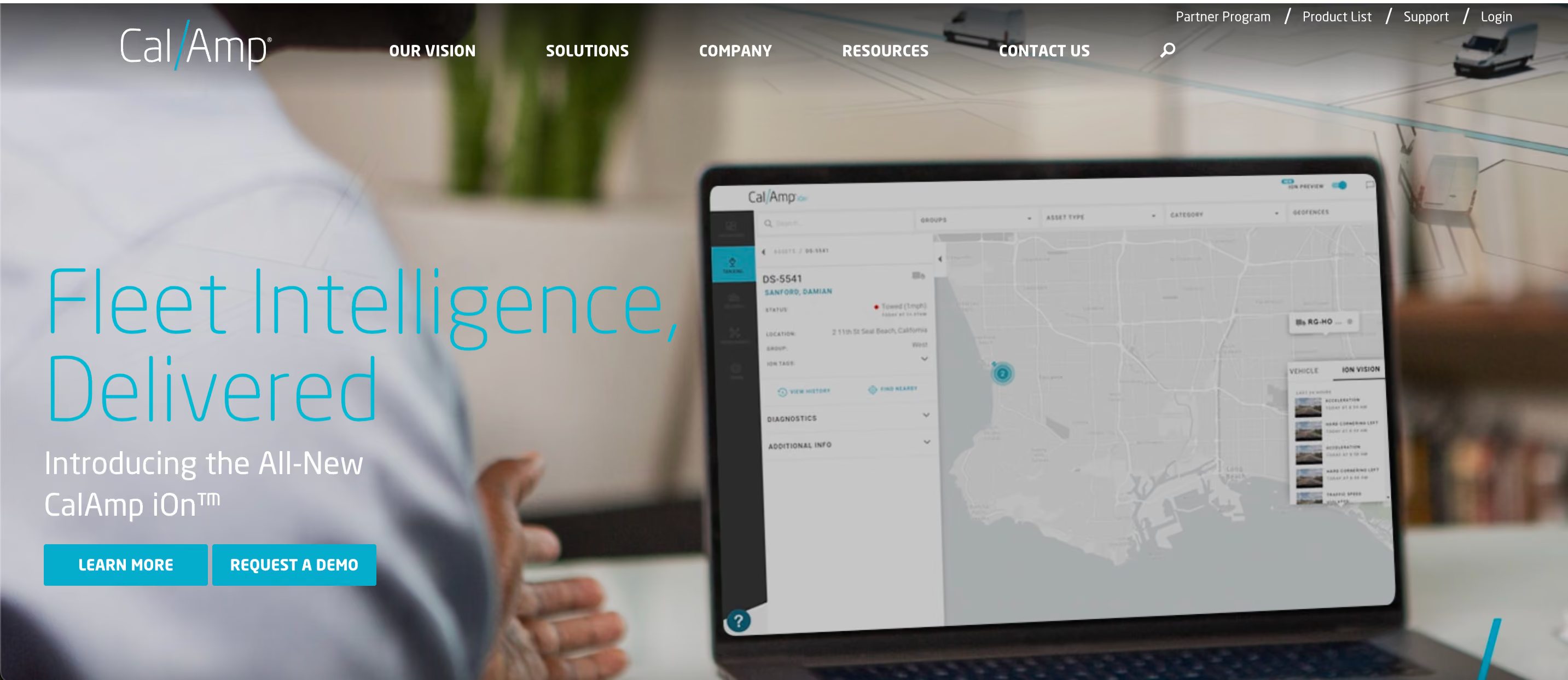
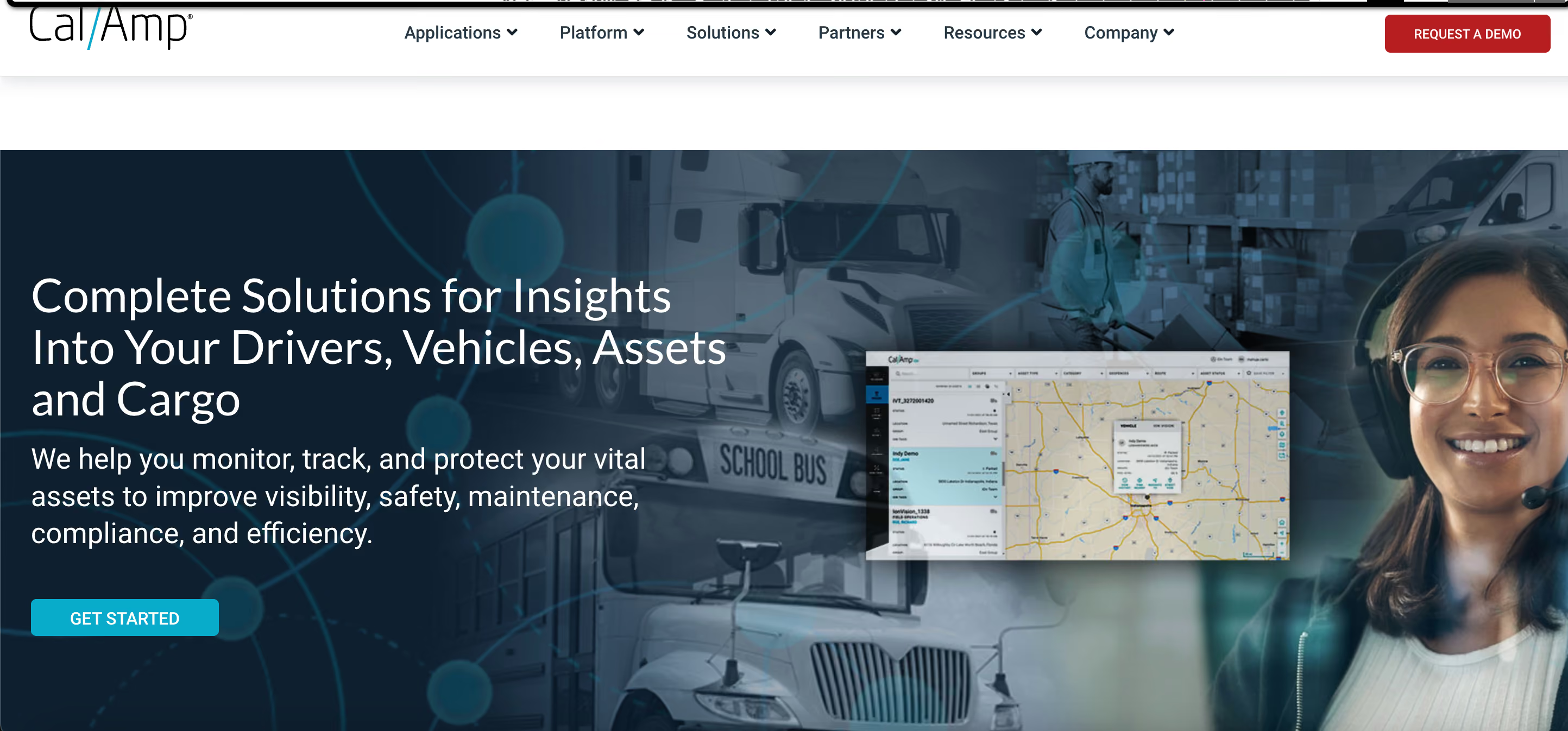
Result: 35% increase in website conversion rate, 241% increase in SEO visibility, approximately $4.5M in influenced enterprise pipeline, and a 55% reduction in MarTech costs.
I rebuilt Nlyte's website in my first six months, then turned it into a demand engine for a highly technical data center software market.


Result: 428% growth in organic traffic value, 144% keyword growth, 53% more qualified leads, and a 30% reduction in cost per lead.
Through a company consolidation, I led the merge of Vocera's web properties and a WordPress-to-Drupal redesign without giving up the organic visibility we'd built.

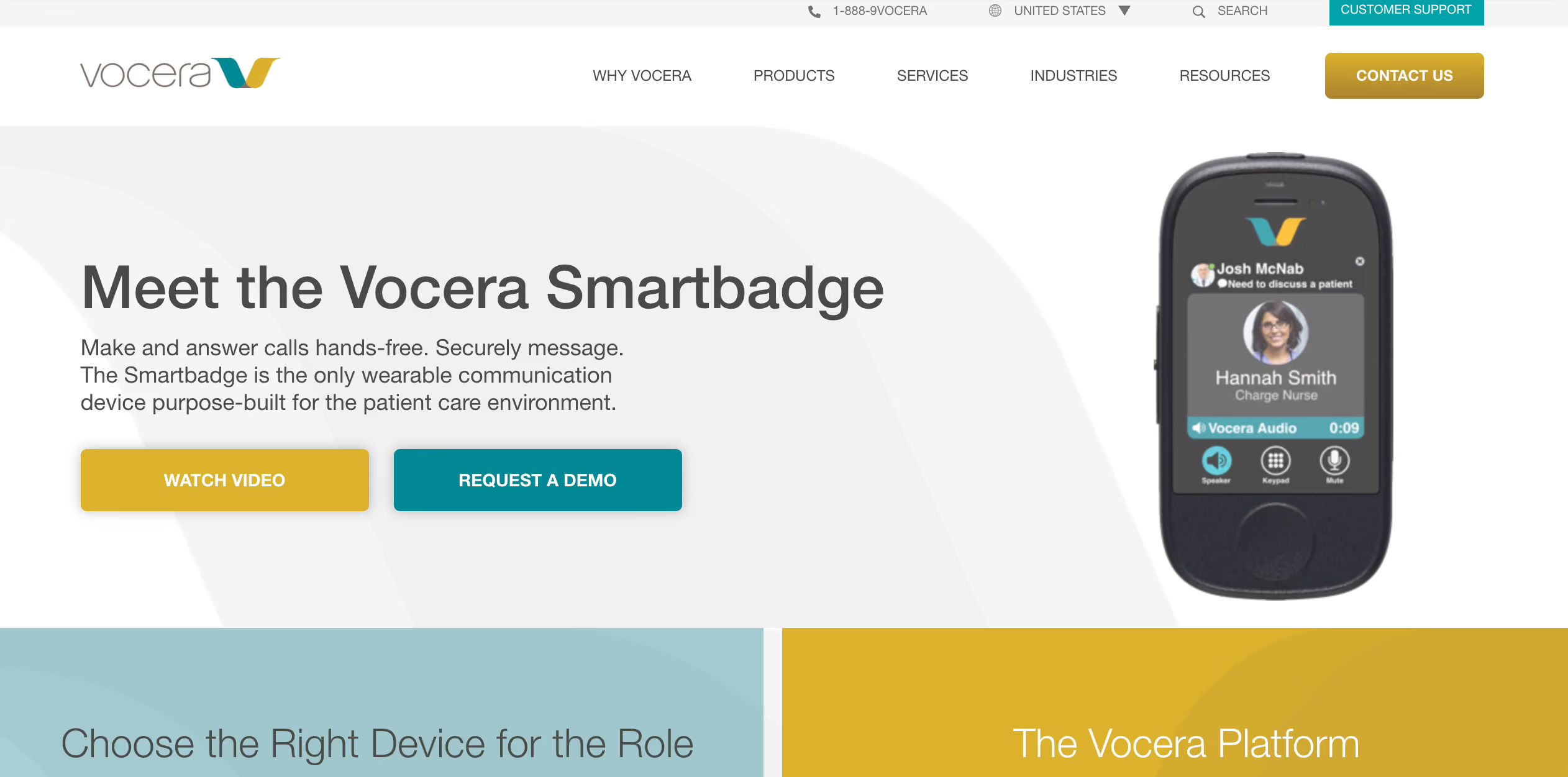
Result: 49% increase in lead generation and a 25% reduction in customer acquisition cost.
"A huge asset to any company when it comes to SEO, and a great person to work with."
"Casey has a rare ability to turn ideas into action — quickly identifying opportunities and executing changes with speed and precision, all while keeping the bigger picture in view."

"Casey delivered a fully rebuilt, SEO/SEM-optimized site in under six months, and her strategic thinking and execution directly drove qualified lead generation."

"Casey is the kind of leader who makes ambitious deadlines look effortless. Any team would be lucky to have her expertise in web optimization."

"She took something on life support and gave it a heart transplant. Hiring Casey was the equivalent of winning lotto."
"One of the most talented SEOs I've ever worked with, with an intuition for the space that very few can match."
"One of the most talented SEOs I've ever worked with, with an intuition for the space that very few can match."
"Thanks to Casey's SEO expertise, our monthly video views jumped from around 1,000–5,000 to consistently hitting 55,000–60,000."
"Casey does an excellent job consulting with clients and educating them on how their goals can be turned into workable strategies."
"Her willingness to go out of her way to help other people within an organization is difficult to match."
"Casey's work and leadership contributed directly to record month-over-month sales growth."

"One of the best managers I have ever met, responsible, loyal, and understands complex matters in her area of expertise."

"A bright, dedicated, hard-working, detail-oriented team player who is regularly going the extra mile without having to be asked."
"Casey consistently outperforms her goals and demonstrates leadership by introducing innovative ideas and new ways of approaching workflow processes."
I've spent more than a decade figuring out how to make complex websites easier for search engines to crawl, understand, rank, and trust. Now I'm applying that same thinking to AI search.
For me, AEO isn't a replacement for SEO. It adds another layer to it. Traditional search data is still the best starting point for figuring out which prompts matter.
I'm looking at the questions buyers are actually asking, how brands and products are understood as entities, whether content answers those questions clearly, how information is structured, what machines can extract from a page, where authority signals come from, and whether a brand is showing up when people research a category through ChatGPT, Gemini, Perplexity, AI Overviews, and other AI-driven experiences.
That work connects to what I've already spent years doing: technical SEO, structured data, information architecture, internal linking, content strategy, site migrations, competitor research, and conversion optimization.
AI visibility isn't only earned on your own website.
Answer engines learn about a brand from what the rest of the web says about it. That's why I treat off-site signals as part of AEO and GEO: unlinked brand mentions, third-party narratives in reviews, comparisons, and industry coverage, affiliate and partner content, and overall brand perception. If those sources describe a brand inconsistently, or not at all, the AI answers will too.
The measurement is evolving too. Rankings and organic traffic still matter, but they don't tell the whole story anymore. I build prompt tracking around the bottom-funnel "what's the best..." questions buyers actually ask, mapped to core product pages and validated against search demand. Branded prompts get tracked separately, for sentiment and accuracy, so they don't inflate the numbers. Position is worth watching, but visibility paired with sentiment is the real measure. When an AI gets a brand wrong, I trace the source and fix it. Then I connect the inputs (pages shipped, content refreshed, mentions earned) to pipeline, so leadership can see what's working and keep investing in it.
I still like getting into the weeds.
Strategy is part of my job, but so is execution. I've executed technical audits, redirects, schema and structured data, keyword research, internal linking, metadata, content optimization, analytics, CMS work, QA, conversion testing, and site migrations.
I've also led the agencies, developers, designers, writers, and cross-functional teams needed to do that work at enterprise scale.
Knowing how to set the direction and knowing how the work actually gets done is the best description of how I operate.
Both. I set the roadmap and the standards, but I've also built pages, run SEO audits, configured analytics, mapped redirects, worked inside CMS platforms, QA'd launches, and dug through performance data myself.
I'm comfortable leading the room, but I'm equally comfortable opening my laptop and figuring out the problem.
No. They're probably my deepest areas of expertise, but my background is broader than that.
I've led paid media, ABM, email, content, integrated campaigns, product launches, conversion optimization, analytics, and agency partners. I tend to look at the website as the center of the digital customer journey rather than a standalone channel.
Very closely. Most of the work I do sits somewhere between those teams.
I like getting everyone aligned on what we're trying to accomplish, what we're measuring, who owns what, and what could block us. Then I keep things moving. I've found that a lot of successful web and growth work comes down to making complex cross-functional projects feel much less complicated.
Directly managed them. I've managed web development partners across four companies, along with paid media and SEO partners.
I set the strategy and expectations, review the work, QA what gets delivered, and hold partners accountable to actual business results. I also know when something makes more sense to handle in-house rather than send through an agency.
I've worked remote for the last several years with teams across the U.S. I'm also happy to work hybrid when the role and location make sense.
Before web strategy, I was chasing pars.
I played D2 women's golf at Notre Dame de Namur University, where I studied Business Management and Sports & Leisure. Four years of early tee times, team travel, and learning that consistency beats talent most days.
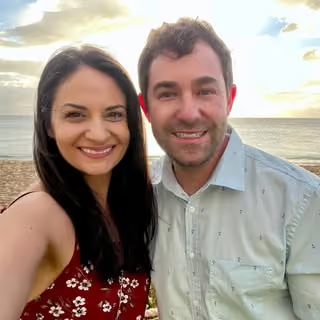
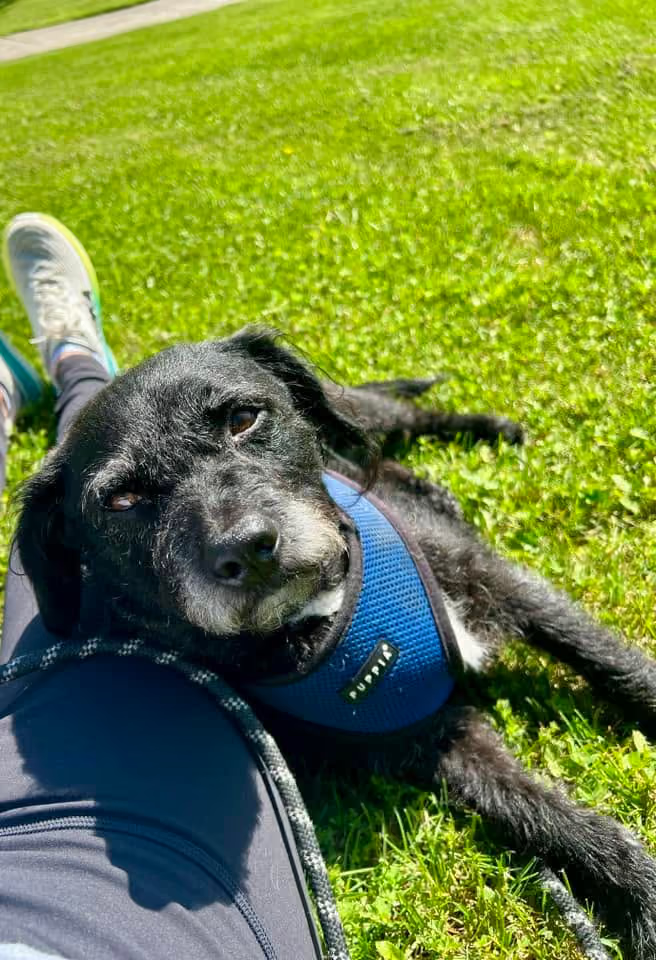
Outside of work, I'm based in Danville, CA. I'm married, have two kids, and a very good dog who spends most of his workday lounging on a chaise lounge while I do the actual work. I volunteer with the Food Bank of Contra Costa and Solano and donate blood regularly with the American Red Cross.

I'm open to full-time or contract Director, Senior Manager, and Lead-level opportunities across Web & Digital Experience, SEO/AEO, Growth, and Digital Strategy with B2B SaaS and technology companies.
If you're building something ambitious and need someone who can set the strategy, get the right people aligned, and stay close enough to the work to actually ship it, I'd love to talk.